
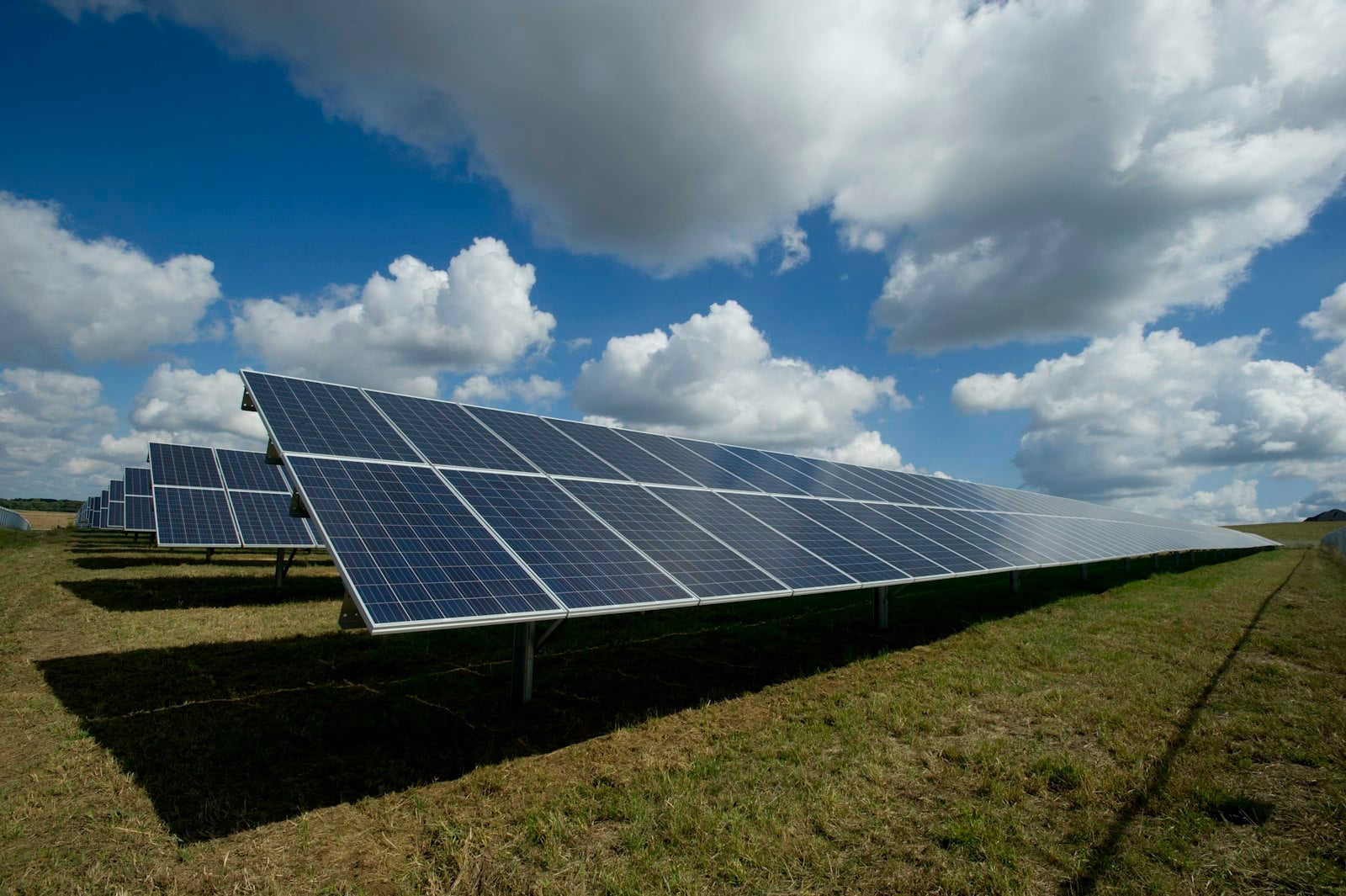
Solar energy has become one of the fastest-growing sources of electricity in the United States, but many people are unclear about how sunlight actually turns into usable power that reaches their home or business. Whether it comes from a massive solar farm or rooftop panels on a neighbor's house, the process of getting solar energy onto the grid involves several steps worth understanding.
Grid-Scale Solar Farms
The majority of solar electricity in the U.S. comes from utility-scale solar farms. These are large installations, sometimes covering hundreds of acres, where thousands of photovoltaic panels convert sunlight into direct current (DC) electricity. That DC power is then converted to alternating current (AC) by inverters and fed into high-voltage transmission lines. From there, it travels through the same grid infrastructure that delivers power from natural gas plants, wind farms, and other generation sources.
Grid-scale solar has grown rapidly in Texas, which now ranks among the top states for solar capacity. The combination of abundant sunshine, available land, and a competitive wholesale market has made Texas an attractive place for solar developers. As more farms come online, solar plays an increasingly large role in meeting daytime electricity demand across ERCOT.
Rooftop Solar and Net Metering
Rooftop solar works differently. When a homeowner or business installs solar panels, the electricity generated is used on-site first. Any excess power that the building does not consume is pushed back onto the local distribution grid. In many states, a system called net metering allows the building owner to receive credit on their electricity bill for that surplus energy.
Net metering policies vary significantly by state. Some states offer full retail credit for exported solar power, while others provide wholesale rates or have caps on how much energy can be credited. In Texas, net metering is not mandated statewide, but some retail electricity providers offer buyback programs for solar customers. Ohio has its own net metering rules administered through the PUCO, with credits typically applied at the utility's generation rate.
The Challenge of Intermittency
One of the inherent challenges of solar energy is that it only produces power when the sun is shining. Cloud cover, nighttime, and seasonal changes all affect output. This is known as intermittency, and it means that grid operators cannot rely on solar alone to meet demand around the clock.
To manage intermittency, grid operators use a mix of generation sources and increasingly rely on battery energy storage systems. Large-scale batteries can store excess solar energy produced during the middle of the day and release it during the evening when demand peaks but solar output drops. Texas has been a leader in deploying grid-scale battery storage alongside its growing solar fleet.
What This Means for Consumers
As solar capacity expands, it puts downward pressure on wholesale electricity prices during sunny hours. This can benefit consumers through lower daytime rates, especially on time-of-use plans. Some electricity providers now offer plans specifically designed to take advantage of solar-heavy generation periods.
Whether or not you have solar panels on your roof, the growth of solar energy on the grid affects the rates and plan options available to you. Understanding how this energy source works helps you make better decisions when comparing electricity plans. At WattKarma, we make it easy to explore plans that align with your preferences, including options backed by renewable energy.