
Every time you flip a light switch, electricity travels to your home from a power plant that may be hundreds of miles away. But how does that electricity get made in the first place? Understanding how different power plants work can help you appreciate what goes into your energy bill and why certain fuel sources cost more than others.
The Basic Principle: Spinning a Generator
Most power plants work on the same fundamental idea. They use a fuel source to create heat, which produces steam, which spins a turbine connected to a generator. The spinning generator converts mechanical energy into electrical energy. The differences between power plants come down to what fuel they use to create that heat and how efficiently they do it.
Natural Gas Power Plants
Natural gas is the most common fuel for electricity generation in the United States. Gas plants burn natural gas to heat water into steam or to directly power a gas turbine. Many modern plants use a combined-cycle design, where the hot exhaust from a gas turbine is used to generate additional steam for a second turbine. This makes them more efficient and less wasteful.
Natural gas plants can ramp up and down quickly, which makes them ideal for meeting sudden spikes in electricity demand. However, because natural gas prices fluctuate with the market, the cost of electricity from these plants can vary from month to month.
Wind Power
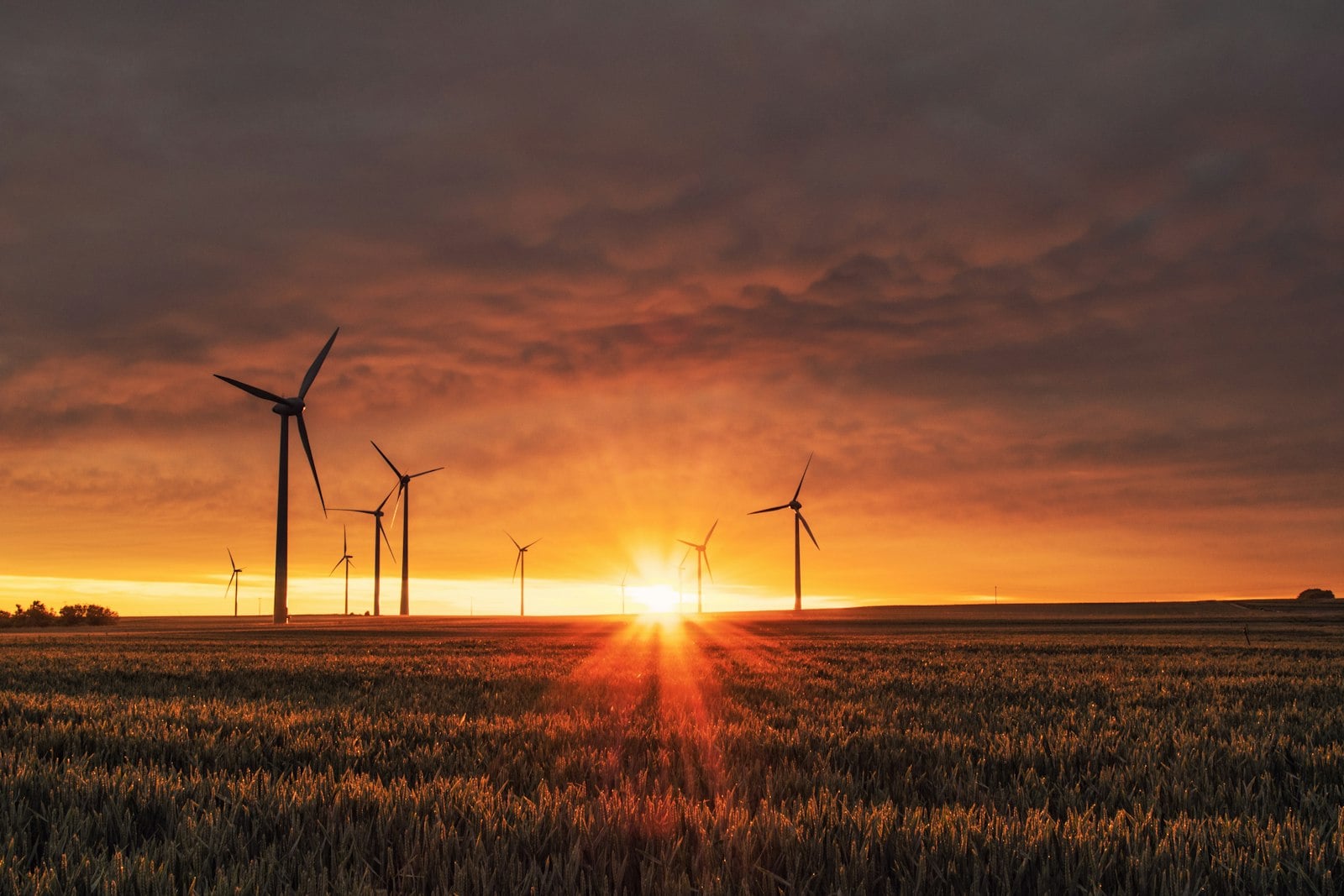
Wind turbines work differently from thermal plants. Instead of burning fuel to create steam, they use the kinetic energy of the wind to spin large blades connected to a generator. Texas is the leading state in wind energy production, and wind farms across the state produce a significant share of the electricity that flows through the grid.
The biggest advantage of wind power is that the fuel is free. The biggest challenge is that wind does not blow consistently, so wind generation can be unpredictable. Grid operators balance this by using other sources when wind output drops.
Solar Power
Solar panels convert sunlight directly into electricity using photovoltaic cells. Unlike turbine-based plants, solar generation has no moving parts. Utility-scale solar farms cover large areas with panels that feed electricity into the grid during daylight hours.
Solar output peaks around midday and drops to zero after sunset, which means other generation sources must fill the gap in the evening when demand is often still high. Despite this limitation, solar has become one of the fastest-growing energy sources in the country.
Nuclear Power
Nuclear plants generate electricity by splitting uranium atoms in a process called fission. The heat from fission creates steam that drives a turbine, just like in a gas or coal plant. Nuclear power produces no carbon emissions during operation, and a single plant can generate an enormous amount of electricity around the clock.
The trade-off is that nuclear plants are expensive to build and take years to construct. They also produce radioactive waste that must be carefully managed for thousands of years.
Coal Power
Coal was once the dominant fuel for electricity in the U.S., but its share has declined steadily over the past two decades. Coal plants burn coal to heat water into steam, which spins a turbine. They are reliable and can run continuously, but they produce more carbon emissions per kilowatt-hour than any other major fuel source. Many coal plants have been retired or converted to natural gas.
Why This Matters for Your Electricity Bill
The mix of fuels used to generate electricity in your region directly affects what you pay. When natural gas prices rise, electricity prices tend to follow. When wind and solar output is high, wholesale prices can drop. Understanding this connection gives you a better sense of why rates change and why choosing the right plan matters. WattKarma helps you compare plans so you can find the rate and energy source that works best for you.